


Safeguarding &
Student Wellbeing
Safe, respectful and supportive online learning for students aged 5–19 — clear expectations for families, students and everyone involved in ON22 online education.
Safeguarding & Student Wellbeing at ON22 Academy
ON22 Academy is a virtual academy and online education provider supporting students aged 5–19 through structured online learning. Safeguarding and student wellbeing are important parts of safe online education. This page explains how families, students and ON22 should work together to create a respectful, appropriate and supportive online learning environment.

Important Safeguarding Responsibility Clarification
ON22 Academy provides online academic support. ON22 does not replace the safeguarding responsibilities of parents, guardians, schools, local authorities or official agencies.
This distinction protects students, families and ON22.
Parents and guardians remain responsible for:
- The child’s safety at home
- The child’s supervision during online learning where appropriate
- The physical learning environment and device access
- Medical, therapeutic or specialist support where needed
- Home education responsibilities where relevant
- Local authority communication where required
- Reporting safeguarding concerns to appropriate authorities
- Checking all legal and welfare requirements that apply to their child
Who This Page Is For
This safeguarding and wellbeing page is for everyone involved in ON22 online learning.
Parents & Guardians
Parents considering or already using ON22 who want to understand safeguarding expectations and their own responsibilities.
Home-Educating Families
Families responsible for their child’s education at home who need clarity on supervision and welfare duties.
International Families
Families living outside the UK studying under different education and safeguarding systems.
Students Aged 5–19
Students using ON22 online learning who need to understand how to behave online and how to ask for help.
GCSE, IGCSE & A Level Families
Exam-stage families where academic pressure and wellbeing need to be balanced carefully.
Anxious or Low-Confidence Learners
Families whose child may be anxious, low in confidence or rebuilding learning routines after disruption.
Teachers & Support Staff
Adults delivering online support through ON22 who must maintain professional boundaries and safeguarding awareness.
Developers & Website Staff
Anyone implementing ON22 web content who needs to present safeguarding information accurately and responsibly.
Anyone With a Concern
Anyone who wants to understand expectations before lessons begin or who needs to raise a concern.
Online Lesson Safety Expectations
Online lessons should be delivered in a professional and appropriate way. Families should understand:
- How lessons are accessed and who the student is learning with
- What equipment is needed and what behaviour is expected
- How communication should happen
- What parents should do for younger students
- How concerns can be raised
- How safeguarding boundaries are maintained
Cameras, microphones & lesson behaviour
Students may need guidance on: being ready at lesson start · using the microphone appropriately · camera expectations · avoiding distractions · not recording lessons without permission · keeping chat messages relevant · respecting teacher instructions.
Online Communication Boundaries
Communication should be professional, clear and appropriate. Families should understand:
- How lesson communication takes place
- How parents can contact ON22
- Whether communication goes through parent accounts or approved channels
- What is appropriate between lessons
- What should not be shared
- How concerns should be raised
Clear communication boundaries protect everyone involved.
A clear online learning structure prevents misunderstandings and keeps all parties appropriately informed.
Parent & Guardian Responsibilities
Parents and guardians play an important role in safe online learning. Depending on the child’s age and needs, parents may need to:
- Help the student log in and check devices are working
- Ensure the child is in a suitable, quiet learning space
- Stay nearby for younger students
- Monitor general online safety
- Support appropriate behaviour and attendance
- Communicate relevant concerns to ON22
- Review feedback and support independent practice
- Check official home education or exam responsibilities where relevant
For older students, parents may not need to sit in the lesson. However, parents should still support routines, attendance and wellbeing. The home environment matters.
Student Responsibilities
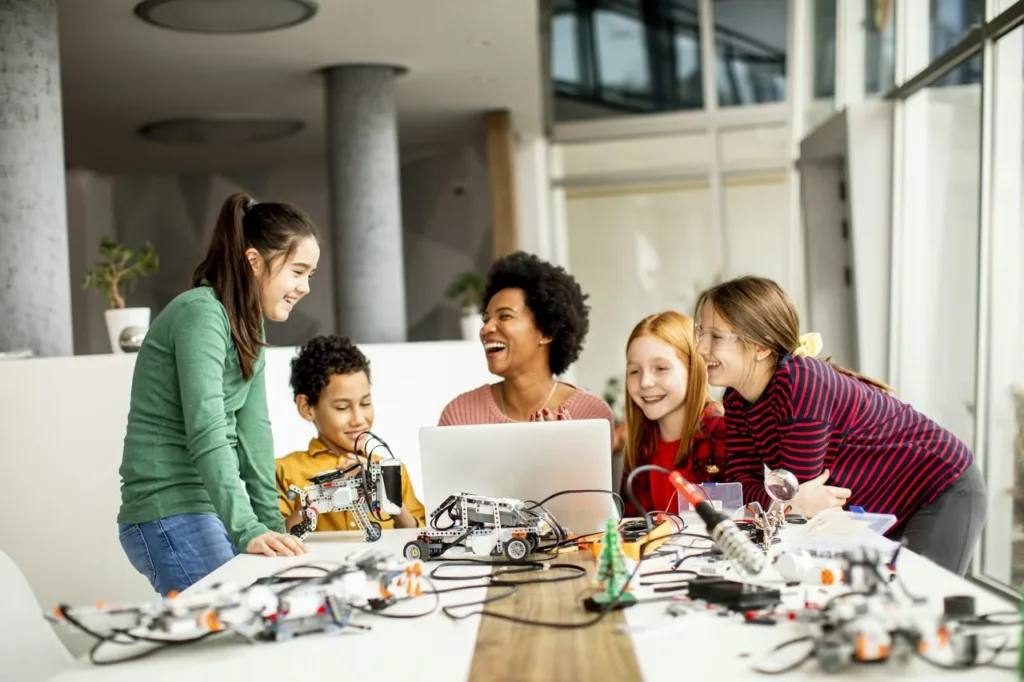
Students also have responsibilities during online learning:
- Attend lessons on time and use appropriate language
- Treat teachers and other students respectfully
- Avoid recording lessons unless permission has been given
- Attempt tasks honestly and ask questions when unsure
- Avoid sharing private information unnecessarily
- Tell a trusted adult if something feels wrong
- Use devices safely and responsibly
Younger students will need more support with these expectations. Older students should gradually take more responsibility for their online learning behaviour.
Suitable Learning Environment at Home
A suitable online learning environment helps students focus and stay safe. Families should consider:
- A quiet room or calm study area with suitable lighting
- Reliable internet connection and a working device
- Notebook, pen, subject materials and calculator where required
- Parent nearby for younger children
- Fewer distractions and a clear start and end routine
- Safe use of headphones where appropriate
The learning space does not need to be perfect. It needs to be suitable, calm and practical.

Online Safety for Students
- Not sharing personal details unnecessarily
- Protecting passwords and using appropriate usernames
- Not clicking unknown links
- Not recording lessons without permission
- Reporting anything uncomfortable to a trusted adult
- Understanding that online behaviour has real consequences
Safeguarding Support by Age Group
Safeguarding expectations change as students grow. Here is what families and ON22 should consider at each stage.
Primary Years (5–11)
Young children need significant parent support. Parents may need to: help with login · stay nearby · check the child understands tasks · support transitions between activities · help manage concentration · ensure the child remains safe online · encourage the child positively after lessons.
Primary online learning should be warm, structured and age-appropriate.
Lower Secondary (11–14)
Students may be more independent but still need adult guidance. Parents may need to support: attendance · routine · device use · homework completion · online behaviour · confidence after transition · communication if the student is anxious · study organisation.
Clear boundaries help students grow in confidence appropriately.
GCSE, IGCSE & A Level (14–19)
Older students manage lessons more independently but wellbeing still matters. Families should consider: exam stress · workload · sleep and rest · pressure around grades · confidence after mock results · balance between study and wellbeing · support if anxiety becomes significant.
Exam preparation should be serious, but it should not become harmful.
Student Wellbeing and Academic Confidence
Wellbeing and learning are connected. A student who feels overwhelmed may avoid work. A student who feels embarrassed about gaps may stop asking questions. A student who has had a difficult school experience may need time to trust learning again.

ON22 support may help students rebuild confidence through:
Clear explanations · manageable steps · encouragement · honest feedback · regular practice · respectful correction · realistic goals · calm communication · recognition of progress.
Supporting Anxious Learners
Some students may feel anxious about lessons, exams, speaking aloud, writing answers or making mistakes. Online support may help because it can feel calmer and more flexible than a classroom.
Students may benefit from: predictable lesson routines · clear instructions · gentle questioning · time to think · smaller steps · feedback that does not shame them · revision planning.
Where a student needs specialist support, parents should seek appropriate professional advice. Academic support can work alongside wider support, but it should not replace it.
SEND, Neurodiversity and Learning Needs
Some students may have SEND, neurodiversity, ADHD, autism, dyslexia, anxiety, SEMH needs or other learning differences. ON22 may support students where online academic learning is suitable.
Families may need to discuss:
- Concentration span and lesson length
- Processing speed and reading or writing difficulties
- Sensory needs and communication preferences
- Motivation, confidence and parent involvement
- Breaks and lesson structure
- Exam access arrangements where relevant
- Whether specialist support is also needed
What ON22 cannot replace
ON22 should not claim to replace statutory SEND provision, EHCP responsibilities, specialist therapy, medical advice or local authority support. Where needs are significant, parents should seek appropriate official or professional guidance.

A student who feels understood is more likely to engage. Discussing learning needs during the consultation helps ON22 recommend suitable support from the start.
Safeguarding and Home Education
Home-educating families remain responsible for their child’s welfare, safeguarding and education arrangements. ON22 can support online academic learning, but parents and guardians must check:
- Home education rules that apply to their child
- Local authority expectations where relevant
- Safeguarding responsibilities and suitable supervision
- Exam arrangements and access arrangements where relevant
- Any statutory or legal duties
Safeguarding and International Families
International families may be living under different education and safeguarding systems. Parents and guardians remain responsible for checking:
- Local education law and safeguarding rules
- Home education requirements where relevant
- Online safety expectations
- Official registration requirements
- Local reporting duties where applicable
- Suitable adult supervision at home
ON22 can provide online academic support across time zones where suitable. However, ON22 does not replace local legal responsibilities or official safeguarding systems in the country where the child lives.
Workload, Exams and Wellbeing
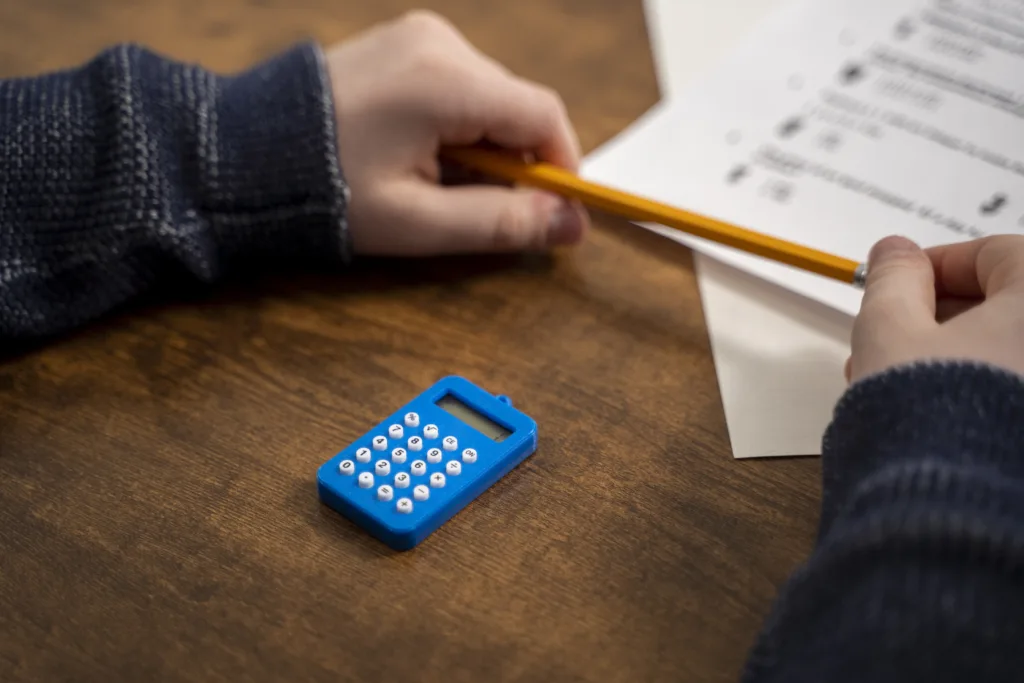
Exam students may feel pressure around GCSEs, IGCSEs, A Levels or other assessments. Families should watch for signs that workload is becoming unmanageable.
Signs to watch for:
- Avoiding lessons or missing deadlines
- Loss of sleep or increased anxiety
- Becoming withdrawn or feeling hopeless about exams
- Refusing to attempt work or panicking before assessments
- Losing confidence after mock results
A responsible exam plan should consider the time available, starting point, subject difficulty and student wellbeing. Students need enough practice, but they also need rest and balance.
What ON22 Can and Cannot Support
Clear boundaries protect students, families and ON22. Honest positioning is part of safe online education.
What ON22 may support
Clear lesson structure · calm teaching · confidence-building · realistic goals · revision planning · topic gap identification · feedback that helps students improve · parent communication · exam preparation guidance · support after academic disruption.
What ON22 cannot replace
Parent supervision · local authority safeguarding duties · registered school responsibilities · medical advice · mental health therapy · specialist SEND provision · EHCP responsibilities · social care support · emergency safeguarding intervention.
Teacher & staff expectations
Professional communication · age-appropriate teaching · no informal private communication channels · safeguarding awareness · reporting concerns through agreed routes · not giving medical, legal, immigration or statutory advice unless qualified and authorised.
Data, privacy & student information
Student information may include name, age, parent contact details, learning needs, subjects, academic progress and safeguarding concerns where relevant. ON22 should only collect necessary information and handle it responsibly.
If a child is at risk of harm, parents or responsible adults should contact the appropriate local safeguarding, emergency or statutory service.
ON22 provides academic support. It should not be positioned as an emergency welfare service.
Raising a Concern
Families should know how to raise concerns. Concerns may include:
- Lesson conduct or online communication
- Student wellbeing or inappropriate behaviour
- Technical issues affecting safety
- Worries about workload or student anxiety
- Concerns about boundaries or supervision
- Any safeguarding concern linked to online learning
How concerns should be raised
The published website should include a clear contact route for safeguarding or wellbeing concerns. This may include a safeguarding email address, a named safeguarding contact, a contact form category, a parent support route or emergency guidance for urgent situations.
ON22’s contact routes are for academic and safeguarding concerns relating to online learning, not emergency services.

Data, Privacy and Student Information
Safeguarding links closely to privacy. Families should understand how student information is collected, used and protected.
Student information may include: name · age · parent contact details · learning needs · subjects · academic progress · exam information · safeguarding or wellbeing concerns where relevant. ON22 should only collect information that is necessary and handle it responsibly.
This Support May Suit Your Family If…
- Your child is aged 5–19
- Your child can engage with online academic support
- You can provide a suitable learning environment
- You understand parent supervision responsibilities
- You want structured online learning
- Your child needs academic confidence-building
- You are home educating and need subject support
- You live internationally and need British Curriculum support
- You want clear communication around learning
- You understand ON22 is not a registered school, exam centre or statutory service
This Support May Not Be Right If…
- Your child needs full-time in-person supervision
- Your child cannot safely engage online
- There is no suitable learning environment or reliable internet
- The student needs specialist provision beyond online academic support
- The student needs urgent safeguarding intervention
- The student needs medical or therapeutic support instead of academic support
- Parents cannot provide required supervision for younger students
- The family expects ON22 to take over parental legal responsibilities
- The family needs a registered school place
This does not mean the child cannot be helped. It means ON22 may not be the right support route for that specific need.
Start with a Safe Online Learning Consultation
A consultation helps ON22 understand whether online learning is suitable for your child. We will discuss age, current learning situation, online learning confidence, parent support available, subjects needed, learning needs where relevant, exam plans and what responsibilities remain with parents or guardians.
Topics we usually cover: age & situation · online learning confidence · parent support available · home education or international considerations · subjects needed · learning needs · exam plans · suitable lesson structure · what ON22 can support · what responsibilities remain with parents or guardians
 Achieve Academic Excellence with Expert Mathematics, Science, and English Academy Worldwide